Fire safety cant be checked only when its convenient.

A fire protection system is only effective when it is working during an emergency Traditional Periodic inspections can miss faults, and critical equipment may remain unchecked between inspections

25,000+

indians die every year due to fires and related accidents.(NFSC)

1 in 5

Fire deaths in the world happens in India.

7,566

Fire accidents reported in 2022, 53.5% of fatalities.

1 min

System health verified round the clock, 24x7x365

A fire system rarely fails on the day of the fire. It fails months earlier.

A detector gets disconnected during an interior fit-out. A pump seizes because nobody ran it. Pressure bleeds away through a leak on an upper floor. Nothing looks wrong, because nothing is looking.

When it matters

The water never arrives

The pumps, tanks and pipework are all in place. But the diesel pump has not started in eleven months, and the first time anyone finds out is the moment it is needed.

When you are inspected

The building no longer matches its NOC

Devices removed, relocated or left disconnected mean the installed system has drifted from the configuration the fire department approved — and there is no record of when it changed.

Every month in between

You pay for checks you cannot verify

Testing a pump house properly needs electrical, mechanical and instrumentation skills on site together. It is expensive, easy to skip, and the register gets signed either way.

Residential and dwelling buildings account for more than half of all fire accident fatalities in India. Most of those buildings had a fire system installed.

Agni-Netra loT changes that

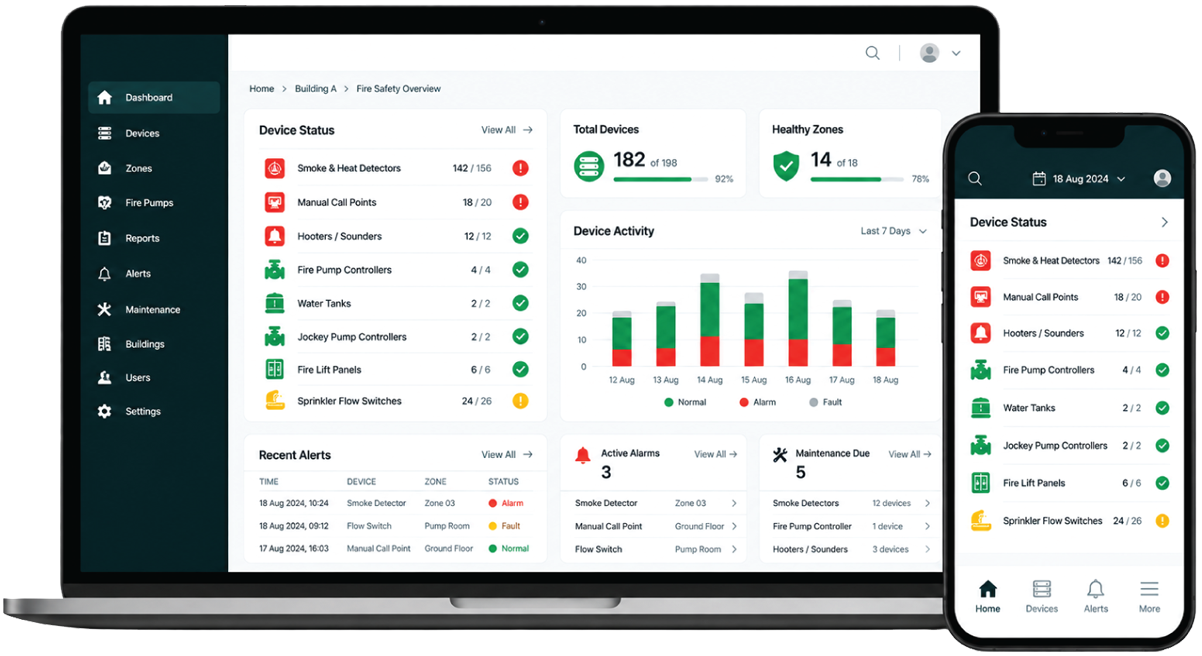
Fire-Ready IoT is a cloud-based continuous monitoring system that keeps track of critical fire alarm and fire pump room systems around the clock. The system captures live data from the site. sends it to the cloud and identifies faults, deviations and breakdowns so that the concerned teams can act quickly

SENSE

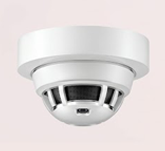
Smoke heat detectors, fire alarm panels, pumps and pressure systems generate live data

CONNECT

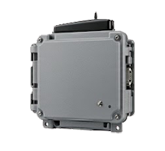
Our lot collects and transmits system information.

CLOUD

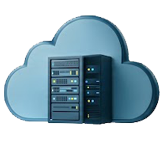
Data is securely sent to the Fire - Ready cloud and compared with the approved configuration

ACT

Faults and deviations trigger instant alerts, escalation and restoration tracking

Same fire system. Two very different outcomes.

Most buildings already own everything they need to fight a fire. What they cannot prove is that it will work on the day it is needed.

Manual maintenance

Checked when someone remembers, or just before an audit

A pump that will not start is discovered during the fire

Proof of maintenance is a paper register, filled in by hand

A disconnected detector can sit unnoticed until the next visit

Depends on skilled manpower being available, and motivated

No record of how long the system was actually down

With Agni-Netra

Every device, pump and pressure point checked every three minutes

Pumps are actually run through automatic test lines, not just looked at

A time-stamped digital log, ready for the fire department or your insurer

Any deviation from the configuration approved at NOC is flagged at once

Alerts by SMS, email and voice call, escalating until someone acts

Restoration time recorded, and the ticket closes only when it is fixed

Most fire systems do not fail on the day of the fire. They fail quietly, months earlier, and nobody finds out.

Detection and suppression have to work together. We watch both.

Detection tells you there is a fire. The pump room is what puts it out. If either one has quietly stopped working, the other cannot make up for it.

Detection system

The panel, and every device reporting to it.

  • Live panel status and loop health
  • Device count checked against the NOC-approved configuration
  • Wiring faults and disconnected detectors
  • Manual call points, hooters and public address

Pump room and hydrant

The part that actually delivers water under pressure.

  • Jockey, main electrical and diesel pumps run on schedule
  • Line pressure held, including at the farthest point
  • Diesel level, battery health and water tank level
  • Pressure drops that indicate a leak

Fitted in a day. Then it runs on its own.

Nothing in your fire system is replaced. A communication terminal is added to what is already installed.

STEP 1

Connect

An Electronic Communication Terminal is wired to your existing fire panel and pump room MCC. Automatic test valves are fitted into the hydrant line. No re-approval, no new panel.

STEP 2

Test for real

At set intervals the valves depressurise the line, which forces the pumps to start exactly as they would in a fire. The terminal reads the MCC to confirm each pump behaved as it should.

STEP 3

Report and escalate

Data reaches the cloud every three minutes & is compared against your approved configuration. Anything out of place triggers SMS, email and voice alerts that escalate until the fault is closed.

Typical installation: one working day for a single-tower site.

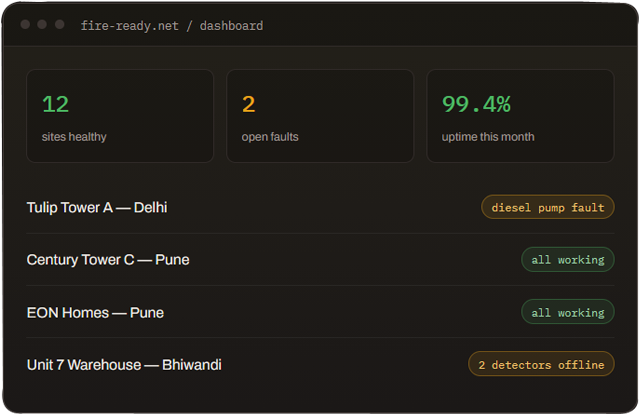
One screen for every site you are responsible for.

Open it on your phone or on a desktop. Owners, facility teams, AMC vendors and auditors each see what concerns them.

Every building you manage, with its current status and the last confirmed heartbeat. Problems surface before anyone has to visit.

Every scheduled pump test, whether it passed, how long any breakdown lasted, and the average repair time across the quarter.

Who was told, when, and what happened next. If nobody acts, the alert climbs the escalation matrix until somebody does.

Monthly and quarterly records you can hand to the fire department, your auditor or your insurer, without assembling anything by hand.

Built for buildings that cannot afford a fire system that quietly stopped working.

Questions we get asked first

Do we have to change our fire panel?

No. Fire-Ready connects to the panel and pump room you already have, whichever brand they are. Nothing in your approved system is replaced.

How long does installation take?

Usually a single working day for one tower. Larger campuses are phased building by building.

What does the building need to provide?

Power and an internet connection at the panel and pump room. The terminal has its own SIM-based backup if the connection drops.

Who receives the alerts?

Whoever you nominate — facility manager, owner, AMC vendor, security desk. Up to 100 people can be added per site, and if the first person does not act, the alert moves up the escalation list until someone does.

Find out what your fire system would report today.

A free site assessment covers your fire panel and pump room, tells you what the new rules will require of your building, and what fitting monitoring would involve.

Or download the brochure and share it internally first.